Home

What's New

Report | WISPIRG Foundation | Transportation

Road Overkill

A new report from the WISPIRG Foundation finds that usage of seven recently completed highways has not developed as projected, and questions whether building massive and costly new highways is the best way to spend Wisconsin’s scarce transportation resources. The report, Road Overkill: Wisconsin Spends Big on Questionable Highways Even as Driving Declines, also finds that Wisconsinites are driving less per capita today than we did in 1997, further raising doubts as to whether expensive new highways are the best investments for Wisconsin’s transportation future. 

> Keep Reading
News Release | WISPIRG Foundation | Transportation

New Report Finds Expensive Highway Projects Might Be Unnecessary

A new report from the WISPIRG Foundation finds that usage of seven recently completed highways has not developed as projected, and questions whether building massive and costly new highways is the best way to spend Wisconsin’s scarce transportation resources. The report, Road Overkill: Wisconsin Spends Big on Questionable Highways Even as Driving Declines, also finds that Wisconsinites are driving less per capita today than we did in 1997, further raising doubts as to whether expensive new highways are the best investments for Wisconsin’s transportation future. 
 

> Keep Reading
Blog Post | Democracy

IRS Scandal Highlights Need for Increased Transparency in Campaign Financing | Bruce Speight

The public has long agreed that transparency in campaign spending is critical to the integrity of our democracy. The Supreme Court acknowledged this common-sense proposition in its notorious 2010 Citizens United decision: even as they opened the door for dark money to enter our elections by allowing all corporations, including nonprofits, to spend directly on elections, the majority of Justices reaffirmed the long-standing notion that the identity of campaign donors must be disclosed.
 

> Keep Reading
Report | WISPIRG Foundation | Transportation

A New Direction

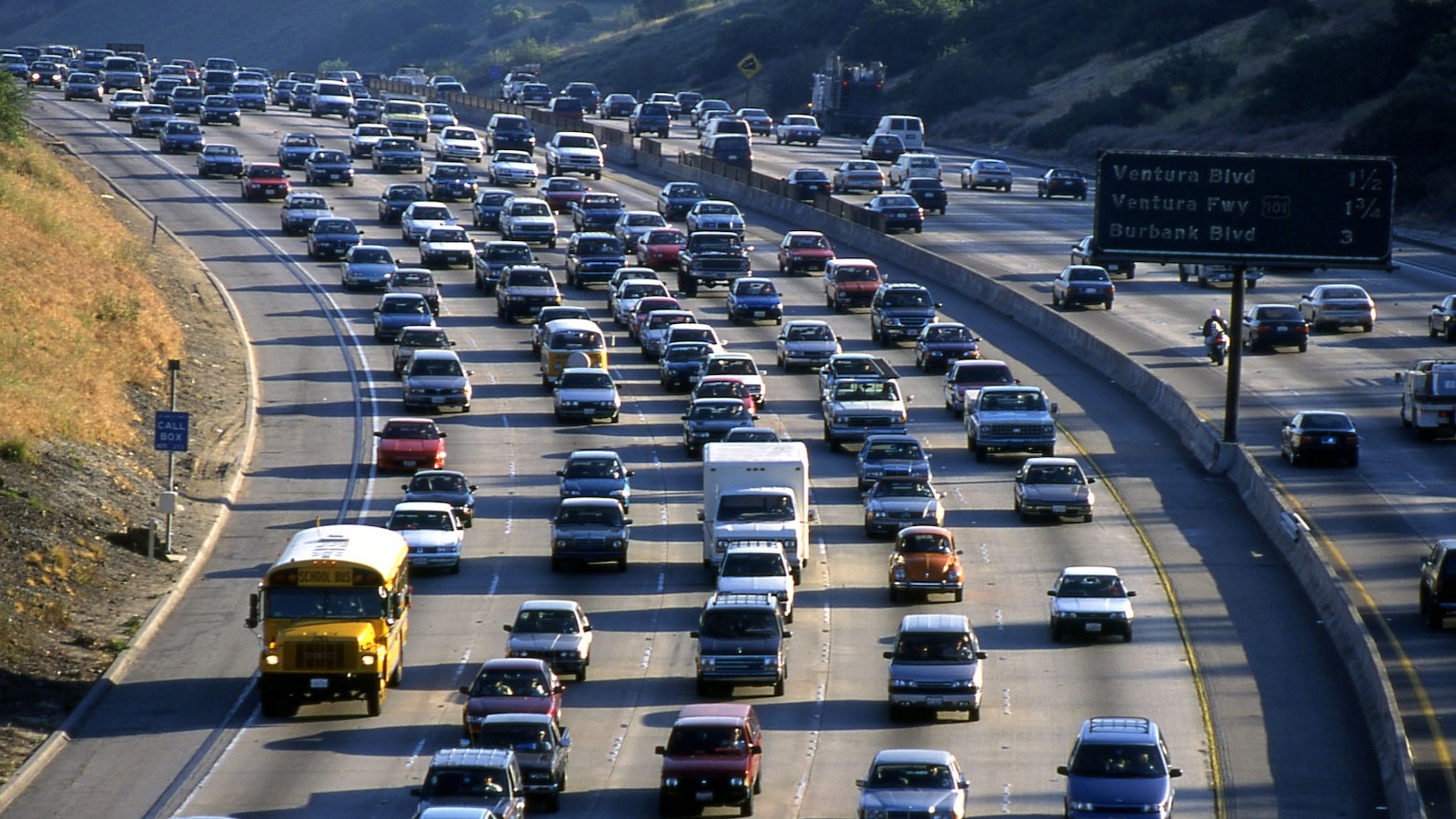
The Driving Boom—a six decade-long period of steady increases in per-capita driving in the United States—is over.  Americans drive fewer total miles today than we did eight years ago, and fewer per person than we did at the end of Bill Clinton’s first term. The unique combina­tion of conditions that fueled the Driving Boom—from cheap gas prices to the rapid expansion of the workforce during the Baby Boom generation—no longer exists.

> Keep Reading
News Release | WISPIRG Foundation | Transportation

New Report: Reduction in Driving Likely to Continue

As the average number of miles driven by Americans heads into its eighth year of decline, a new report from the WISPIRG Foundation finds that the slowdown in driving is likely to continue. Baby Boomers are moving out of the phase in their life when they do the most commuting, while driving-averse Millennials move into that phase. These demographic changes will likely keep driving down for decades, according to the report, “A New Direction: Our Changing Relationship with Driving and the Implications for America’s Future.”
 

> Keep Reading

Pages

News Release | WISPIRG Foundation | Transportation

New Report Finds Expensive Highway Projects Might Be Unnecessary

A new report from the WISPIRG Foundation finds that usage of seven recently completed highways has not developed as projected, and questions whether building massive and costly new highways is the best way to spend Wisconsin’s scarce transportation resources. The report, Road Overkill: Wisconsin Spends Big on Questionable Highways Even as Driving Declines, also finds that Wisconsinites are driving less per capita today than we did in 1997, further raising doubts as to whether expensive new highways are the best investments for Wisconsin’s transportation future. 
 

> Keep Reading
News Release | WISPIRG Foundation | Transportation

New Report: Reduction in Driving Likely to Continue

As the average number of miles driven by Americans heads into its eighth year of decline, a new report from the WISPIRG Foundation finds that the slowdown in driving is likely to continue. Baby Boomers are moving out of the phase in their life when they do the most commuting, while driving-averse Millennials move into that phase. These demographic changes will likely keep driving down for decades, according to the report, “A New Direction: Our Changing Relationship with Driving and the Implications for America’s Future.”
 

> Keep Reading
News Release | WISPIRG | Consumer Protection

Survey Finds Astronomical Rent-to-Own Prices, Interest Rates

A new report found that five rent-to-own stores in Rockford, IL on average charged an annual percentage rate of 221% and displayed outright cash purchase prices as much as two to seven times the cost of the same or similar products at other major retailers. The legislature is currently debating a controversial proposal in the executive budget proposal to provide a special exemption from the Wisconsin Consumer Act for the rent to own industry and which would eliminate the requirement to disclose an APR for Rent-to-Own products sold in Wisconsin.
 

> Keep Reading
Media Hit | Transportation

State needs to build better transportation budget

The state needs a better transportation budget.  . . . .  One promising idea is a proposal from 1000 Friends of Wisconsin, WISPIRG and the state chapter of the Sierra Club to cut 10% from highway spending. The money would be used "to reduce bonding by $200 million, increase local road reimbursements by $82 million, and increase transit funding $21 million (a 10% increase in local road reimbursement and transit funding)," according to a news release the group issued last week.
 

> Keep Reading

Scott Walker's rent-to-own budget provision brings strong reaction

Rent-to-own stores would be able to sell customers high-cost financing plans for televisions, appliances and other goods without disclosing their interest rates, under a provision in Gov. Scott Walker's proposed state budget. In addition to exempting the industry from state consumer protection laws, the measure would cap how much wronged customers could get if they sued rent-to-own stores. The stores typically sell products under plans that cost buyers two or three times prices they would pay elsewhere, according to a report by the Wisconsin Public Interest Research Group.
 

> Keep Reading

Pages

One Year Anniversary of CFPB


For the first time, a federal financial agency has placed consumers at the center of its work. That agency, the Consumer Financial Protection Bureau (CFPB), turns one year old on July 21, 2012. The CFPB, established as a centerpiece of the Wall Street Reform and Consumer Protection Act of 2010, is the first federal financial agency with only one job: protecting consumers. It has special responsibilities to protect seniors, military servicemembers and students. The CFPB is also tasked with ensuring fair lending and promoting financial education and literacy. The CFPB protects you no matter where you buy financial products—at a bank, at a credit union, at a mortgage company or a payday lender.


> Keep Reading

Keeping Kids’ School Lunches Safe

For years, Wisconsin’s schoolchildren ate substandard chicken and beef—of such poor quality that fast-food chains wouldn’t even serve it. WISPIRG stood up for kids, and the USDA set stronger standards for school lunches.

> Keep Reading
Result | Budget

Making Government More Transparent

WISPIRG advocacy led to the creation of a state website giving Wisconsin taxpayers easily accessible information about state expenditures, providing taxpayers with easily searchable, checkbook-level detail of state expenditures and detailed information about all state contracts.

> Keep Reading
Result | Health Care

More Affordable Health Care

We fought hard to make sure the new health care law favors programs that reward quality care and includes steps to contain costs and cut red tape. We continue our work to keep those measures strong.

> Keep Reading

A VICTORY FOR CONSUMERS OVER WALL STREET

Even after the financial crisis, lobbyists for the big banks and credit card companies furiously opposed proconsumer provisions in the Wall Street reform law. Over their objections, WISPIRG helped convince Congress to create a Consumer Financial Protection Bureau.

> Keep Reading

Pages

Report | WISPIRG Foundation | Transportation

Road Overkill

A new report from the WISPIRG Foundation finds that usage of seven recently completed highways has not developed as projected, and questions whether building massive and costly new highways is the best way to spend Wisconsin’s scarce transportation resources. The report, Road Overkill: Wisconsin Spends Big on Questionable Highways Even as Driving Declines, also finds that Wisconsinites are driving less per capita today than we did in 1997, further raising doubts as to whether expensive new highways are the best investments for Wisconsin’s transportation future. 

> Keep Reading
Report | WISPIRG Foundation | Transportation

A New Direction

The Driving Boom—a six decade-long period of steady increases in per-capita driving in the United States—is over.  Americans drive fewer total miles today than we did eight years ago, and fewer per person than we did at the end of Bill Clinton’s first term. The unique combina­tion of conditions that fueled the Driving Boom—from cheap gas prices to the rapid expansion of the workforce during the Baby Boom generation—no longer exists.

> Keep Reading
Report | WISPIRG | Consumer Protection

The Rent-to-Own Rip-off

The 2013-2015 biennial executive budget, proposed by Governor Walker, includes an exemption for the rent-to-own industry from Wisconsin’s consumer protection laws. Rent-to-own businesses are appliance and furniture retailers that arrange “lease agreements,” rather than typical installment or credit sales contracts. These leases are regulated as a form of credit because the consumer is buying a product over time and paying a very high premium over the product’s sale price.

> Keep Reading
Report | WISPIRG | Transportation

The 10% Solution

Wisconsin taxpayer dollars shouldn’t be wasted on unnecessary and costly highway expenditures, when local transportation infrastructure is crumbling.  Unfortunately, the transportation budget being considered by state leaders increases spending on highways while neglecting local needs.  It’s time to get our transportation priorities straight and invest taxpayer dollars wisely, maintaining a modern highway system while meeting local road repair and transit needs. The 10% Solution offers a budget alternative that achieves these goals.
 

> Keep Reading
Report | WISPIRG | Tax

Picking Up the Tab 2013

Many multinational corporations and wealthy Americans use accounting tricks and offshore tax havens to avoid paying taxes on profits and income that they earned in the U.S. Right now these practices are perfectly legal - and that's the problem. Revenues that are earned from sales and work here in the United States are hidden overseas and it costs the U.S. up to $150 billion in lost tax revenue every single year.

> Keep Reading

Pages

Blog Post | Democracy

IRS Scandal Highlights Need for Increased Transparency in Campaign Financing | Bruce Speight

The public has long agreed that transparency in campaign spending is critical to the integrity of our democracy. The Supreme Court acknowledged this common-sense proposition in its notorious 2010 Citizens United decision: even as they opened the door for dark money to enter our elections by allowing all corporations, including nonprofits, to spend directly on elections, the majority of Justices reaffirmed the long-standing notion that the identity of campaign donors must be disclosed.
 

> Keep Reading
Blog Post | Health Care

The Supreme Court and the High Cost of Prescription Drugs | Bruce Speight

Everyone knows prescription drugs cost more than they should.  But I find many people are surprised to learn about one of the key ways drug companies keep prices high:  Paying off competitors to keep generics off the market.


> Keep Reading
Blog Post | Ed's Blog

Senators Hold CFPB Director Hostage, Roil Markets | Ed Mierzwinski

On Feb 1, 43 Senate Republicans -- as they did in the last Congress -- again sent the President a letter saying they would not confirm Richard Cordray to a full term as Consumer Financial Protection Bureau (CFPB) director unless the agency's powers and independence were first gutted. Their intransigence means more market uncertainty that further delays recovery from the Wall Street-induced worldwide economic collapse of 2008. It also ignores the views of a growing number of responsible financial industry leaders who know at least three things the Senators either don't know or don't care about.

> Keep Reading
Blog Post | Democracy

Call on the WI Legislature to Put it to the People on Citizens United | Joe Rasmussen

Citizens United is undermining the very principals of our democracy.

Click Here to demand a people's referendum so that the people of WI can vote on this issue.

> Keep Reading
Blog Post | Health Care

Health Care and Business Leaders Rise Up for a State-Based Health Insurance Exchange | Bruce Speight

We understand that the Affordable Care Act and its core components, including the health insurance exchanges, have become highly polarized and partisan, despite being solutions that have been embraced by both Republicans and Democrats for many years.  But, it is a time for cool heads to prevail and for Governor Walker and state leaders to do what is right for Wisconsin - develop a state-based health insurance exchange.

> Keep Reading

Pages

You Can Help

We have a chance to curb the unprecedented spending by big money in our elections. Your support will help us do the research, advocacy and grassroots organizing to convince our elected officials to act.

JOIN THE CALL

Already 300-plus communities and seven states have gone on record calling for a constitutional amendment. Make sure you town has joined the call to stanch the flow of special interest money in our elections.

Consumer Alerts

Join our network and stay up to date on our campaigns, get important consumer updates and take action on critical issues.